Home Remodeling: Convert Your Space Into Your Dream Home
Home remodeling offers a straightforward method to enhancing both functionality and aesthetics in living spaces. It enables homeowners to personalize their environments and potentially increase property value. However, achieving the desired results demands careful planning and commitment to a budget. Understanding design styles and selecting the right contractors are essential steps in this process. As homeowners begin this journey, they must think about what they truly wish to achieve. The path ahead holds several important factors to explore.
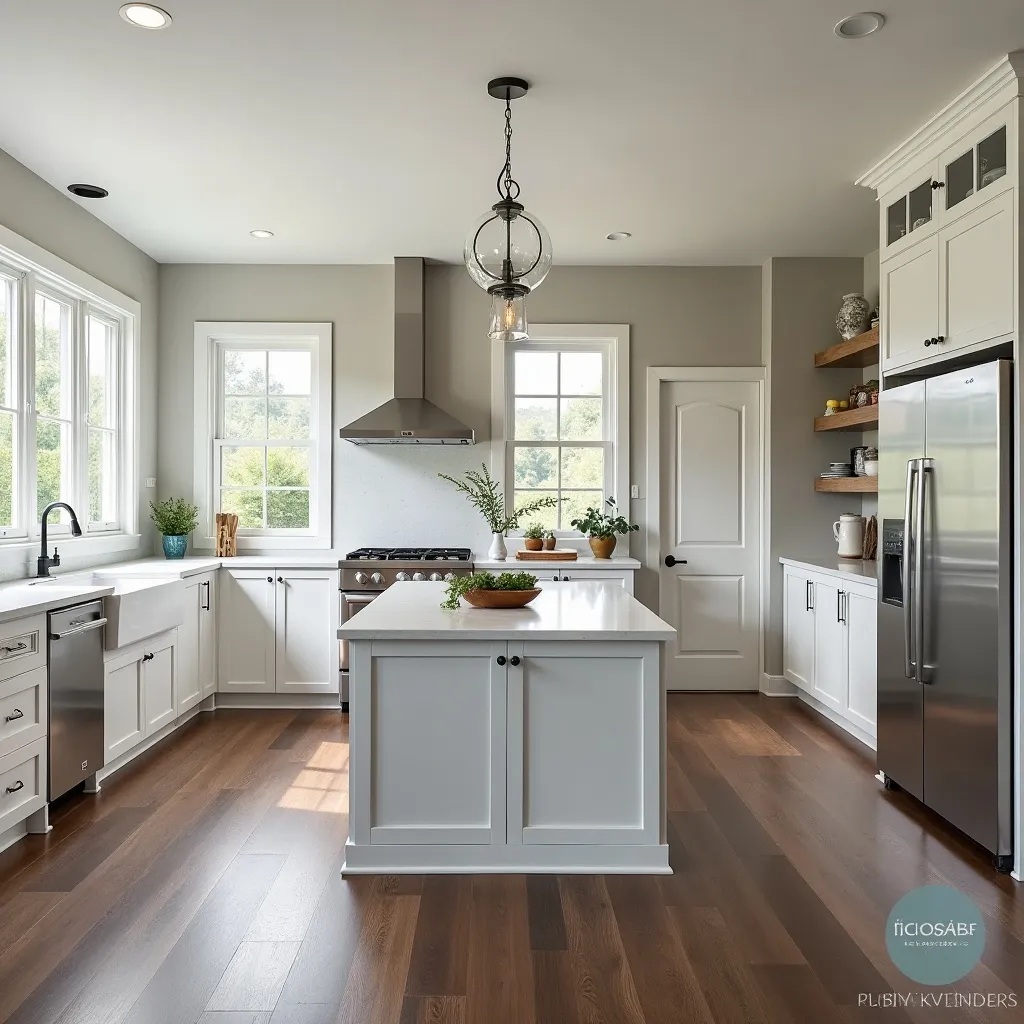
What Are Your Aspirations for Your Home Renovation?
What goals does one have in mind when starting on a home remodeling project? Individuals often seek to amplify utility, improve aesthetics, or maximize property value. Some may prefer a more open layout to foster social interactions, while others aim to create a restful retreat within their home. Specific objectives can include revitalizing outdated spaces, employing energy-efficient elements, or broadening living areas to accommodate growing families.
In addition, a property owner might want to customize their environment to mirror their individual style and wants, making it a true depiction of themselves. Protection and accessibility can similarly be notable factors, particularly for those with elderly relatives or disabilities. In the end, the goals of a renovation project establish the underpinning for decision-making, guiding choices in aesthetic, finishes, and overall execution. Understanding these aspirations is vital for achieving a successful transformation that satisfies both practical needs and individual preferences.
Strategies for Financial planning Your Home Redesign Project
Budgeting for a home renovation project requires meticulous planning and consideration. It is essential to set an overall budget, rank necessary upgrades, and account for unexpected costs that may happen. By tackling the budgeting procedure systematically, homeowners can achieve their goals without financial strain.
Figure Out Your Entire Budget
Before initiating a home remodeling project, it is critical to create an overall budget that corresponds with both budgetary limits and renovation goals. Property owners should start by evaluating their finances to understand how much they can reasonably allocate for the project. This comprises analyzing savings, income, and available financing options. It is also sensible to include unexpected expenses, typically 10-20% of the total budget, to tackle unforeseen issues that may surface during renovation. Additionally, homeowners should research the costs relating to various materials and labor in their area, permitting informed decisions. By establishing a clear budget, homeowners can maintain focus on their renovation goals and avoid the stress of overspending.
Highlight Important Modifications
With a budget firmly set, homeowners can now focus on identifying which improvements will provide the most benefit and usefulness to their space. Prioritizing critical upgrades means checking areas that need immediate attention, including outdated plumbing and electrical installations, which could create safety risks. Kitchen and bathroom renovations typically yield high returns on investment; consequently, allocating funds toward modernizing these areas is often wise. In addition, increasing energy efficiency with better windows, insulation, or appliances can reduce costs over time. Lifestyle needs should also be considered by homeowners, such as providing open areas for family gatherings or designated workspaces. By strategically selecting upgrades that align with both immediate needs and future plans, homeowners can maximize their remodeling impact while staying within budget.
Consider Unforeseen Costs
Preparing for unexpected costs is vital for property owners starting a remodeling project. Financial plans can become strained when unforeseen issues happen, including structural damage, outdated wiring, or hidden water damage. Professionals advise reserving an additional 10 to 20 percent of the overall budget to account for these contingencies. Property owners should also consider possible cost variations in supplies and workmanship. Investigating local contractors and getting several quotes can provide a clearer picture of expected expenses. Additionally, maintaining open communication with construction professionals throughout the project enables you to catch and fix problems promptly. By strategically planning for these unforeseen expenses, property owners can make sure that their renovation project remains on schedule, ultimately transforming their space without budget stress.
What Design Choices Complement Your Home Makeover?
In the arena of home remodeling, design styles have an important role in establishing the overall look. Homeowners can opt from a selection of possibilities, like modern minimalist aesthetics, cozy rustic charm, and elegant traditional touches. Each style offers its own individual character, shaping both the atmosphere and functionality of the space.
Modern Simplified Design Principles
Minimalist design principles provide an invigorating strategy for residential redesign, defined by basic elegance and functionality. This aesthetic direction focuses on unobstructed areas, clean lines, and a limited range of hues, typically presenting neutral tones that promote a feeling of tranquility. Décor and furniture are intentionally chosen, resulting in an uncluttered space that improves overall harmony. Organic materials, such as timber and stone, frequently play a significant role, introducing warmth while sustaining a sleek look. Illumination is thoughtfully considered, often incorporating expansive glass panels to enhance natural light. Within a modern streamlined home, each detail fulfills a purpose, adding to a unified aesthetic that exemplifies the homeowner's values of distinctness and productivity. This design cultivates tranquility, making it ideal for contemporary living.
Comfortable Rustic Charm
Embracing the core of warmth and coziness, cozy rustic charm remains a favored choice for homeowners seeking a more inviting atmosphere. This design style often includes natural materials, such as reclaimed wood, stone, and soft textiles, creating an natural feel. Earthy color palettes—think warm browns, soft greens, and muted reds—improve the tie to nature.
Key particulars include bare wooden beams, oversized furniture, and vintage accessories, which stir a sense of nostalgia. Fireplaces emerge as visual anchors, uniting families in harmony in a relaxed environment. Additionally, weaving contemporary additions with rustic elements secures practicality without forsaking charm. Overall, heartwarming rustic essence metamorphoses spaces into hushed sanctuaries, making it an winning proposition for those striving to permeate their homes with authenticity and comfort.
Exquisite Established Embellishments
While many homeowners pursue comfort through country designs, others value beauty in the polished elegance of traditional styles. This design approach focuses on timeless elements such as intricate trims, classic furnishings, and bold color palettes. Traditional spaces often display symmetrical layouts and orderly setups, offering a sense of structure and sophistication. Incorporating heritage or classic pieces can enhance authenticity, while luxurious fabrics like silk and velvet add richness and texture. Architectural elements, such as coffered ceilings and wainscoting, enhance an overall sense of grandeur. Homeowners embracing this style often choose warm, pleasant spaces that express their heritage or personal history, positioning traditional design a timeless choice for those seeking to embody a sense of refinement in their remodeled homes.
How to Select the Best Builders for Your Home Renovation?
Selecting the right professionals for residential renovation can greatly impact the success of a undertaking. Property owners should start by researching nearby professionals and checking their qualifications, such as permits and insurance. Reading web-based feedback and seeking recommendations from friends or family can provide useful information into a contractor's reputation.
Thereafter, it's necessary to consult multiple candidates to assess their communication skills and professionalism. Property owners should obtain detailed estimates and timelines to copyright clarity. A dependable builder should be eager to answer questions and provide a comprehensive understanding of the project scope.
Additionally, assessing prior projects or samples can help homeowners evaluate a contractor's method and excellence of work. Finally, trust and connection are important; a contractor's attitude and willingness to collaborate can greatly influence the remodeling experience. By taking these approaches, homeowners can make well-informed selections that align with their vision for their dream home.
What Critical Recommendations Should You Follow for a Successful Home Renovation?
How can property owners guarantee a successful home renovation project? First, creating a well-defined vision is essential. Homeowners should outline their goals and preferences, making sure all stakeholders comprehend the intended result. Subsequently, establishing a practical budget helps mitigate unforeseen expenses. It is essential to incorporate a contingency fund for unforeseen challenges.
Meaningful dialogue with builders is crucial; house owners must articulate their goals clearly. Regular updates and on-site inspections can enhance this interaction. Additionally, researching products and styles will empower house owners to make informed choices, balancing aesthetics and practicality.
Finally, acquiring required licenses guarantees compliance with local regulations, avoiding future complications. By following these tips, homeowners can manage the intricacies of renovation, ultimately transforming their space into a dream home.
Strategies to Maintaining Your Just Renovated Home?
Homeowners who have spent effort and money in a home overhaul should prioritize continuous care to maintain their newly transformed space. Frequent cleaning is vital; applying correct cleaners to different surfaces will prevent damage and degradation. For example, hardwood floors require special cleaners that maintain the finish, while countertops may need specific treatments to avoid stains.
In addition, property owners should conduct routine seasonal reviews to manage any issues early. This entails looking for leaks, maintaining HVAC systems, and ensuring outdoor drainage is functioning properly. Consistent care of appliances and fixtures will also extend their lifespan.
Furthermore, it is advisable to create a maintenance schedule, listing tasks such as applying a fresh coat of paint or sealing again surfaces when necessary. By dedicating time into these practices, homeowners can preserve the appearance and function of their remodeled spaces, in the end increasing their property’s value and comfort for years to come.
Consistently Asked FAQs
What Duration Should You Expect for a Standard Home Renovation Project?
A common home renovation project can span anywhere from a few weeks to several months, contingent on the scope, difficulty, and size of the remodeling. Each assignment varies according to unique specifications and unanticipated challenges.
What Licenses Are Necessary for Home Renovation?
Typically, licenses required for residential renovation include building, electrical, plumbing, and mechanical permits. Local regulations may change, so it's vital for homeowners to speak with their municipality to maintain adherence with all required provisions and guidelines.
How Might I Reduce Disruptions While Home Renovation?
To curtail disruptions during remodeling, one can forge clear communication with contractors, determine specific work hours, assign a separate living area, and keep a tidy workspace. Strategic planning helps guarantee a smoother remodeling process.
Frequent Mistakes to Steer Clear Of in Your Remodeling Endeavor—What Are They?
Key mistakes to eliminate during remodeling include miscalculating financial plans, overlooking legal requirements, cutting corners learn about this on thorough planning, opting for the unsuitable materials, ignoring timelines, and neglecting to maintain open communication with project professionals, which can produce costly delays and unsatisfactory results.
What's the Ideal Method to Address Sudden Costs While Renovating?
To manage unforeseen costs during renovation, one should maintain a emergency budget, talk openly with contractors, focus on necessary improvements, and stay flexible in choices. This technique assists with managing budgets and minimizes anxiety throughout the project.